Glaucoma is one of the major causes of blindness. Glaucoma is a group of conditions, in which high pressure inside
the eye (Intraocular Pressure) damages the optic nerve of the eye. Glaucoma usually affects both the eyes. It
commonly occurs in adults above 40 years of age, but can even occur in newborn babies. The vision lost due to
glaucoma is irreversible and cannot be regained. Hence it is very important to detect this disease as early as possible
and treat early to preserve vision.
What is high eye pressure and how does it damage the vision?
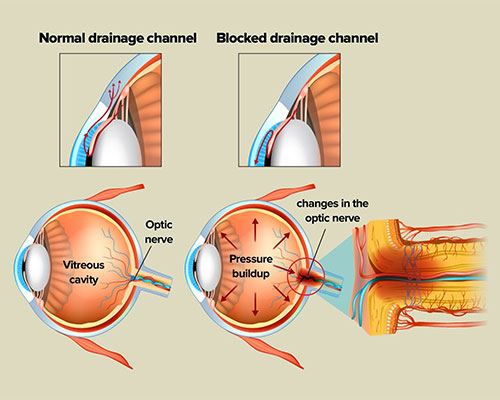
The eye is filled with a fluid (aqueous), which is there at a certain pressure, called Intraocular Pressure (IOP). This fluid
is continuously formed within the eye and is also simultaneously drained out, to maintain a stable pressure. The
blockage of the normal outflow mechanism generally leads to an increase in the pressure, which damages the optic
nerve of the eye. The optic nerve connects the eye to the brain and relays the visual signal. This damage to the optic
nerve results in loss of peripheral visual fields initially and later on affects the central vision as well.
What are the types of glaucoma?
There are two main types of glaucoma:
Open Angle Glaucoma is the commoner form and it leads to slowly progressive loss of vision.
Closed Angle Glaucoma is also called acute glaucoma. The sudden blockage of fluid outflow from the eye leads to severe pain, nausea, vomiting and blurred vision. This is a medical emergency requiring immediate
treatment or else blindness may occur in a day or so.
What are the symptoms of open angle glaucoma in adults?
This form of glaucoma generally does not cause any symptoms in the initial stages. The high pressure causes damage
to the optic nerve and leads to loss of peripheral visual field initially. Unless a routine checkup is done, these changes
go unnoticed and progressively lead to further loss of visual field and the loss of central vision as well in the later
stages. Since this loss of vision is irreversible, glaucoma is also called the "silent killer".
Some patients may experience these symptoms:
Loss of peripheral vision: this is often not noticed until considerable damage has occurred
Blurred or foggy vision
Frequent change of glasses for near work
Heaviness or dull pain in the eyes
Pain and redness of the eye
Halos or rainbow colored rings perceived around lights
What are the symptoms of Glaucoma in children (congenital)?
The symptoms are redness, watering, photophobia (inability to tolerate light), enlargement of the eyes, and corneal
clouding. Glaucoma in children needs to be managed very early and aggressively, in order to save their vision.
How is Glaucoma diagnosed?
The aim of diagnosis in Glaucoma is to diagnose the presence of the condition, to determine the extent of the
damage and to monitor the progress of the damage due to the disease. There are various tests done to measure the
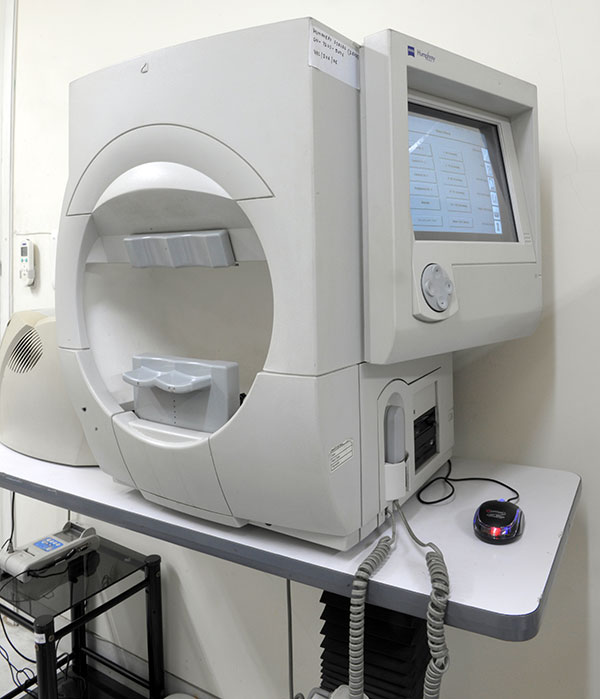
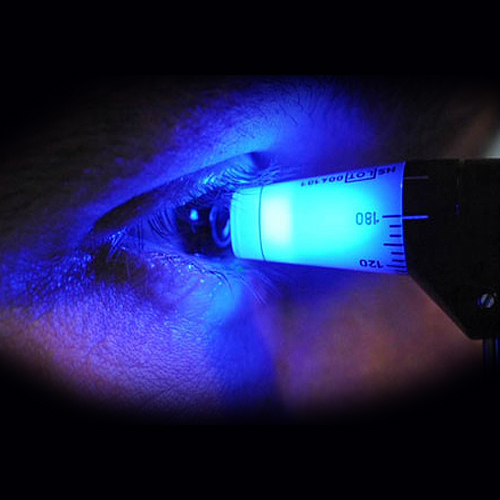
pressure (Tonometry), corneal thickness (Pachymetry), look for the optic nerve changes (Fundus examination, OCT
test) and to document the visual field defects (Perimetry, OCT test). The diagnosis is confirmed on basis of the clinical
condition and these findings. These special tests need to be repeated at regular intervals to document the
progression of the disease.
Can Glaucoma occur at normal eye pressure also?
Yes. Each eye has different capacity for tolerating the pressure. What may be normal for majority of eyes may be high
for certain eyes. There is a subtype of Glaucoma called 'Normal Tension Glaucoma' in which the eye pressure is
apparently within the normal range, but still the optic nerve gets damaged. Hence, presence of 'normal' pressure
alone does not rule out glaucoma. In suspected cases, one would like to do other tests as well, even if the pressure is
'normal'.
What is the treatment of Glaucoma?
The aim of the treatment is to preserve the visual function by controlling the eye pressure (IOP) at the optimum level.
The level of IOP required (target pressure) depends upon the extent of damage and other factors and is decided by
the treating doctor.
Medical treatment Is generally the first line of management. It includes eye drops and tablets to control the pressure
by either increasing the drainage or decreasing the production of the fluid in the eye. These medicines are generally
to be used lifelong, and it is very important to use the medicines regularly at prescribed timings and not to stop the
medicines without consulting the doctor.
Laser treatment is recommended in certain selected cases to create an alternative pathway for the drainage of the
fluid. Even after laser, a few patients may still need to use medications to keep the pressure under control.
Surgery is recommended in cases where the medicines alone are not effective or cause significant side effects. The
surgery increases the drainage of the fluid.
Cryopexy or Cycloablation are used in uncontrolled cases, and involve partial or total destruction of the tissues that
produce the fluid in the eye.
Why is early detection and treatment important?
The vision lost due to glaucoma cannot be regained, even after the surgery or other treatment. However a good
control of eye pressure (IOP) by the means described above can help in preserving the vision or in minimizing the
further damage. Hence it is very important to detect and treat the disease at an early stage before it has caused
significant vision loss.
How can we detect Glaucoma early?
Since this disease does not have any symptoms in the early stages, the only way to detect it early is by doing regular
eye checkups, especially in those who are at a high risk for developing Glaucoma.
What are the risk factors for Glaucoma?
Glaucoma is more common in people above 40 years of age. Diabetes, minus power of glasses, eye injury, eye
surgery, long term use of steroids tablets or drops, and a family history of Glaucoma are other important risk factors.
Persons with any of these risk factors must get regular eye checkups to detect glaucoma early.
Why is regular treatment and follow up important?
Even a single episode of high pressure can cause significant damage to the eye. Hence it is very important to use the
drops and medicines regularly to control the pressure. The progression of the disease and the vision loss is generally
not detectable by the patient. It is therefore necessary to maintain regular follow-ups to document the change in
vision, optic nerve changes and field defect, and to modify the treatment accordingly. For this purpose repeated
Tonometry, field checkup (Perimetry), Optical Coherence Tomography (OCT) and other special investigations may be
required. With the current treatments available, most of the patients maintaining regular treatment and follow up
would be able to preserve their useful vision and can continue to lead a productive life.
Synergy Eye Care has the latest Diagnostic and Therapeutic tools to Diagnose and Treat various forms of Glaucoma with the help of medicines, Lasers or Surgeries with good results.
Disclaimer: Information published here is for educational purposes only and is not intended to replace medical advice. If you suspect that you have a health problem, please consult your doctor immediately